
Wood is one of the oldest and most versatile building materials in the world. From timber-frame homes and log cabins to decks, fences, furniture, and structural beams, wood offers exceptional strength, beauty, and sustainability. However, because it is a natural material, timber is vulnerable to moisture, fungi, insects, and weathering if it is not properly protected.
Fortunately, modern wood preservation techniques can significantly extend the lifespan of timber while maintaining its appearance and structural performance. Whether you’re building a new home, restoring a historic property, or maintaining outdoor woodwork, choosing the right preservation method is essential for long-term durability.
This complete guide explains the most common wood preservation methods, their advantages and limitations, and how to choose the best approach for your project.
Why Wood Preservation Is Important
Proper wood preservation helps protect timber against environmental and biological threats.
The main benefits include:
- Extending the lifespan of timber
- Reducing maintenance costs
- Protecting against wood-boring insects
- Helping prevent fungal decay
- Improving weather resistance
- Preserving structural integrity
- Maintaining the appearance of wood
Regular maintenance combined with suitable preservation methods provides the best long-term results.
Common Threats to Timber
Understanding what damages wood helps determine the most appropriate preservation strategy.
Common threats include:
- Moisture
- Woodworm (wood-boring beetles)
- Termites (in some regions)
- Carpenter ants
- Fungal decay
- Mold and mildew
- UV exposure
- Freeze-thaw cycles
Most preservation methods are designed to address one or more of these risks.
1. Pressure-Treated Timber
Pressure treatment is one of the most widely used methods of protecting structural wood.
During manufacturing, approved preservatives are forced deep into the timber under pressure.
Advantages
- Long-lasting protection
- Suitable for structural applications
- Helps resist fungal decay
- Improves resistance to wood-boring insects
- Commonly used in modern construction
Considerations
Pressure-treated timber still requires routine inspections and maintenance, especially where it is exposed to the weather.
2. Surface Wood Preservatives
Surface-applied wood preservatives are commonly used on fences, decking, sheds, and exterior timber.
These products may be applied by:
- Brushing
- Rolling
- Spraying
Benefits
- Easy to apply
- Suitable for maintenance
- Helps protect against moisture and weathering
- Can extend the life of exterior timber
Always follow the manufacturer’s instructions regarding preparation, application, and re-treatment intervals.
3. Wood Oils
Natural and synthetic wood oils penetrate the surface and help reduce moisture absorption.
They are commonly used on:
- Decking
- Garden furniture
- Exterior cladding
- Outdoor structures
Advantages
- Enhance the natural appearance of wood
- Help repel water
- Reduce surface drying and cracking
Wood oils typically require periodic reapplication depending on exposure and product type.
4. Paints and Protective Coatings
Paint systems and protective coatings create a barrier between timber and the environment.
Benefits include:
- Protection from rain
- Reduced UV damage
- Improved appearance
- Easier cleaning
Inspect painted surfaces regularly and repair peeling or damaged areas promptly.
5. Moisture Management
One of the most effective preservation methods is simply keeping timber dry.
Key practices include:
- Repair roof leaks immediately.
- Maintain gutters and downpipes.
- Improve drainage.
- Prevent standing water.
- Monitor indoor humidity.
- Improve ventilation.
Dry timber is naturally more durable and generally less attractive to many wood-boring insects.
6. Good Building Design
Wood preservation begins with thoughtful construction.
Effective design features include:
- Roof overhangs
- Damp-proof barriers where required
- Ground clearance for timber
- Proper flashing
- Ventilated roof spaces
- Effective drainage systems
These features reduce moisture exposure throughout the life of the building.
7. Routine Inspections
Even the best preservation system requires regular monitoring.
Inspect:
- Roof beams
- Floor joists
- Exterior cladding
- Window frames
- Door frames
- Decking
- Balconies
Look for:
- Cracks
- Water stains
- Soft timber
- Exit holes
- Frass
- Mold
Early detection helps prevent costly repairs.
Modern Woodworm Treatment Options
If an active woodworm infestation is confirmed, treatment depends on:
- Beetle species
- Severity of infestation
- Structural condition
- Accessibility
Professional options include approved chemical treatments and modern heat-based technologies.
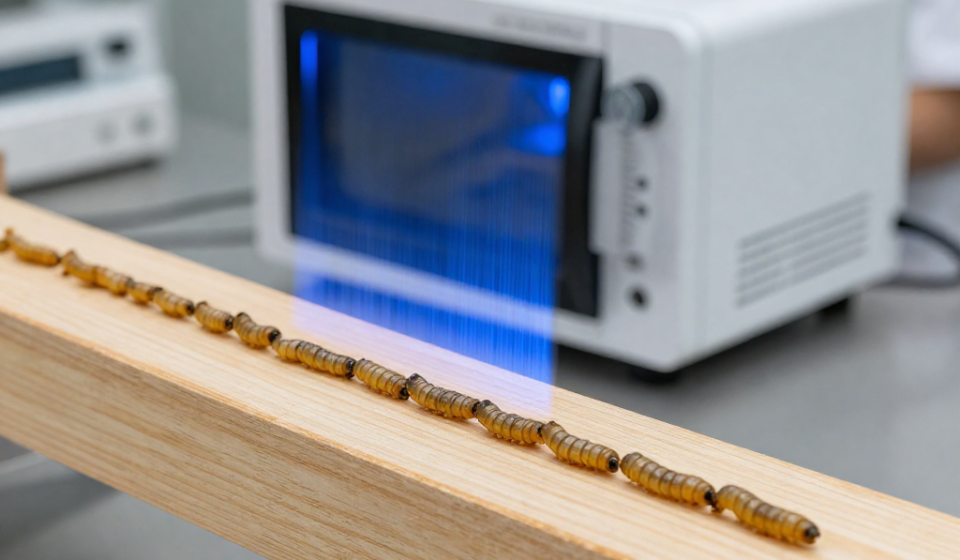
8. Microwave Woodworm Treatment
One increasingly popular chemical-free preservation technology is microwave woodworm treatment.
Professional microwave equipment generates controlled heat inside timber using dielectric heating, raising the internal temperature to levels that eliminate:
- Woodworm larvae
- Beetle eggs
- Pupae
- Adult wood-boring beetles
Benefits
- Chemical-free
- No pesticide residues
- Localized treatment
- Environmentally responsible
- Suitable for many heritage buildings
- Helps preserve original structural timber
A timber preservation specialist can determine whether this treatment is appropriate for a particular property.
9. Integrated Pest Management (IPM)
Many professionals recommend Integrated Pest Management (IPM) as a long-term preservation strategy.
IPM combines:
- Routine inspections
- Moisture control
- Accurate pest identification
- Building maintenance
- Physical exclusion
- Targeted treatment only when necessary
This preventive approach helps reduce the need for repeated chemical applications.
Comparing Wood Preservation Methods
| Preservation Method | Best For | Main Benefit |
|---|---|---|
| Pressure-Treated Timber | Structural wood | Long-term protection against decay and insects |
| Surface Preservatives | Exterior timber | Easy maintenance and weather protection |
| Wood Oils | Decking and furniture | Water resistance and natural appearance |
| Paints & Coatings | Exterior wood | UV and moisture protection |
| Moisture Control | All timber structures | Prevents many causes of deterioration |
| Microwave Woodworm Treatment | Localized active infestations | Chemical-free elimination of wood-boring insects |
| Integrated Pest Management | Long-term building care | Preventive maintenance and targeted treatment |
Using multiple methods together often provides the best long-term protection.
Common Mistakes to Avoid
Many timber problems result from overlooked maintenance rather than poor materials.
Avoid:
- Ignoring roof leaks
- Allowing gutters to overflow
- Skipping annual inspections
- Neglecting protective finishes
- Delaying repairs after moisture damage
- Assuming treated timber never needs maintenance
Regular care is the foundation of effective wood preservation.
Common Myths About Wood Preservation
Myth 1: Treated Wood Never Needs Maintenance
Fact: Pressure-treated timber provides excellent protection, but routine inspections and moisture management are still essential.
Myth 2: Only Old Buildings Need Wood Preservation
Fact: New timber structures also benefit from regular maintenance to maximize their lifespan.
Myth 3: One Treatment Solves Every Problem
Fact: Effective wood preservation combines good design, moisture control, inspections, maintenance, and appropriate treatment methods.
When Should You Contact a Professional?
Professional advice is recommended if you notice:
- Fresh frass.
- New exit holes.
- Soft structural timber.
- Persistent moisture.
- Fungal decay.
- Roof leaks.
- Signs of wood-boring insects.
- Extensive exterior weathering.
A qualified timber preservation specialist can inspect your property, identify any underlying issues, and recommend the most suitable preservation or treatment strategy.
Conclusion
Wood preservation is not a single product or treatment—it is an ongoing process that combines quality materials, thoughtful design, moisture management, regular inspections, and timely maintenance. Whether you’re protecting a new timber-frame home, restoring a historic building, or maintaining a log cabin, choosing the right preservation methods will help extend the life of your wood while reducing repair costs.Visit online https://www.shashel.eu for more details.